A fire suppression system RFQ (request for quotation) works best when it explains the project, the assets to be protected, the site information already available and the exact scope you want priced. Attach current drawings and any approved specification, mark information that is still missing, and separate equipment supply from installation and support work. This gives the supplier a clear starting point for reviewing the enquiry and stating precisely what is included in a quotation.
Why a clear RFQ matters
Asking for "a fire suppression system" leaves important questions unanswered. A distributor purchasing equipment, a contractor pricing an installation and an owner replacing existing equipment may each need different deliverables. Describe which situation applies before asking for a price. A well-organized brief also helps you compare the boundaries of different quotations: the equipment included, the information assumed and the work that remains with other parties. A clear RFQ does not replace a project-specific engineering review, but it reduces avoidable delays and makes the supplier's assumptions visible.
Start with the project basics
Give the project name, country and installation location. State whether the work is a new installation, an extension of an existing system or a replacement, and identify your role in the purchase. Name the person who can answer technical questions and the person coordinating commercial matters. If you have a tender deadline, a requested delivery window or a staged purchase plan, include those dates as requirements to discuss rather than assuming the supplier has already accepted them. Share any project specification or approval requirements already issued by the responsible project team so the supplier can see which documents are controlling.
Describe the protected assets and available site information
Explain what you intend to protect and how the space is used. Attach the latest available floor plans, relevant sections, photographs and equipment layouts. Where known, describe room boundaries, openings, ventilation, access arrangements and the proposed equipment location. Include available power and water information if it is relevant to the proposed system. Mark preliminary dimensions, unconfirmed information and drawing revisions clearly so the reader can tell confirmed data from assumptions. If equipment is being replaced, share the existing system records and explain which components you hope to retain. Let the project engineer confirm what additional information is required before pricing.
Identify the system category for discussion
If an approved design already specifies a system, include its exact description and supporting documents. If no category has been selected, say so clearly. Qiyu's current website introduces five equipment categories that you can reference when organizing an enquiry:
- High-pressure water mist: pump-driven equipment using fine water droplets for fire suppression and cooling.
- HFC-227ea / FM200: cabinet gas suppression equipment for computer rooms, archives and other enclosed spaces.
- IG100 nitrogen: nitrogen gas fire suppression equipment for enclosed protection areas.
- High-pressure CO₂: carbon dioxide fire suppression equipment for suitable industrial protection applications.
- External-pressure HFC-227ea: an arrangement with separate agent storage and nitrogen driving gas.
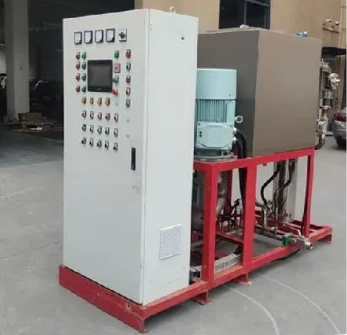
These categories describe Qiyu's displayed product range; they do not establish suitability for your site. Ask the responsible engineer to review the proposed approach against the actual project conditions and applicable requirements. Do not treat a catalogue photograph or a general product description as an approved system design.
Separate equipment supply, delivery and services
State whether the enquiry covers equipment only or also includes installation, commissioning, training or maintenance support. Qiyu's company materials describe these service areas, but the scope and availability for a specific project should be confirmed in the quotation. Ask the supplier to identify included components, excluded work and any information still needed. Clarify who will coordinate interfaces with other project equipment. For delivery, state the destination and requested delivery terms. Ask for confirmation of packing, shipping responsibilities and the documents included with the offer rather than assuming a standard arrangement.
A fire suppression system RFQ checklist you can copy
Use the following headings in your enquiry email or RFQ document. Not yet confirmed is a useful answer when information is missing; it is better than presenting an assumption as a verified requirement.
- Project and location: project name, country, installation address and project contact.
- Buyer role: owner, contractor, equipment distributor or another purchasing role.
- Purchase purpose: new installation, replacement or extension of an existing system.
- Protected assets: equipment or materials involved and the intended use of the space.
- Available site records: plans, sections, photographs, layouts and drawing revision dates.
- Existing requirements: approved specifications and requirements supplied by the responsible project team.
- System status: specified category or a clear note that selection remains under review.
- Requested supply: equipment and documentation to be included, with any proposed exclusions.
- Requested services: installation, commissioning, training or maintenance support to discuss.
- Delivery: destination, requested timing, delivery terms and shipping responsibilities to confirm.
- Quotation response: requested response date and separate technical and commercial contacts.
- Open questions: missing drawings, uncertain measurements or requirements awaiting confirmation.
Frequently asked questions
Can I request a quotation before the system category is selected?
Yes. Explain that the enquiry is preliminary, share the information available and list what remains undecided. Ask which additional documents are needed for review. A preliminary enquiry should not be presented as a completed or approved design.
Are room dimensions alone enough for a complete quotation?
Room dimensions are useful, but a supplier may also need information about protected assets, site conditions, project requirements and the requested supply scope. Ask which details are necessary for your enquiry, and have the responsible project team confirm technical requirements. Dimensions do not by themselves establish a suitable system category.
Which Qiyu products can I reference in an RFQ?
The website currently displays high-pressure water mist, HFC-227ea / FM200, IG100 nitrogen, high-pressure CO₂ and external-pressure HFC-227ea equipment. Reference the relevant product page and any approved project documents when describing your enquiry. The listing is not a statement that every category suits every application.
Discuss your enquiry with Qiyu Fire
Guangzhou Qiyu Fire Fighting Equipment Co., Ltd. specializes in water mist and gas fire suppression equipment. Read the Qiyu company introduction, review the company brochure, and use the checklist to prepare your project brief. When you are ready, contact Qiyu Fire to discuss the available information and the scope of your enquiry.